Image

The advantages of a Dual-Phase biomaterial
Gen-Os® has a similar structure to human bone (matrix and porous form)¹ and presents osteoconductive properties²⁻³.
Thanks to its collagen content, Gen-Os® has chemotactic properties and facilitates blood clotting and the subsequent invasion of repairing and regenerative cells². In addition, it is gradually resorbable and provides appropriate support in bone neoformation⁴ and neo-angiogenesis⁵. Gen-Os® is a hydrophilic Dual-Phase xenograft, and it has been also used in association with growth factors⁶.
Photomicrograph illustrating the healing after 4 weeks from Gen-Os® grafting in rabbits. Newly formed bone (#) can be detected around and in between Dual-Phase bone granules (*).
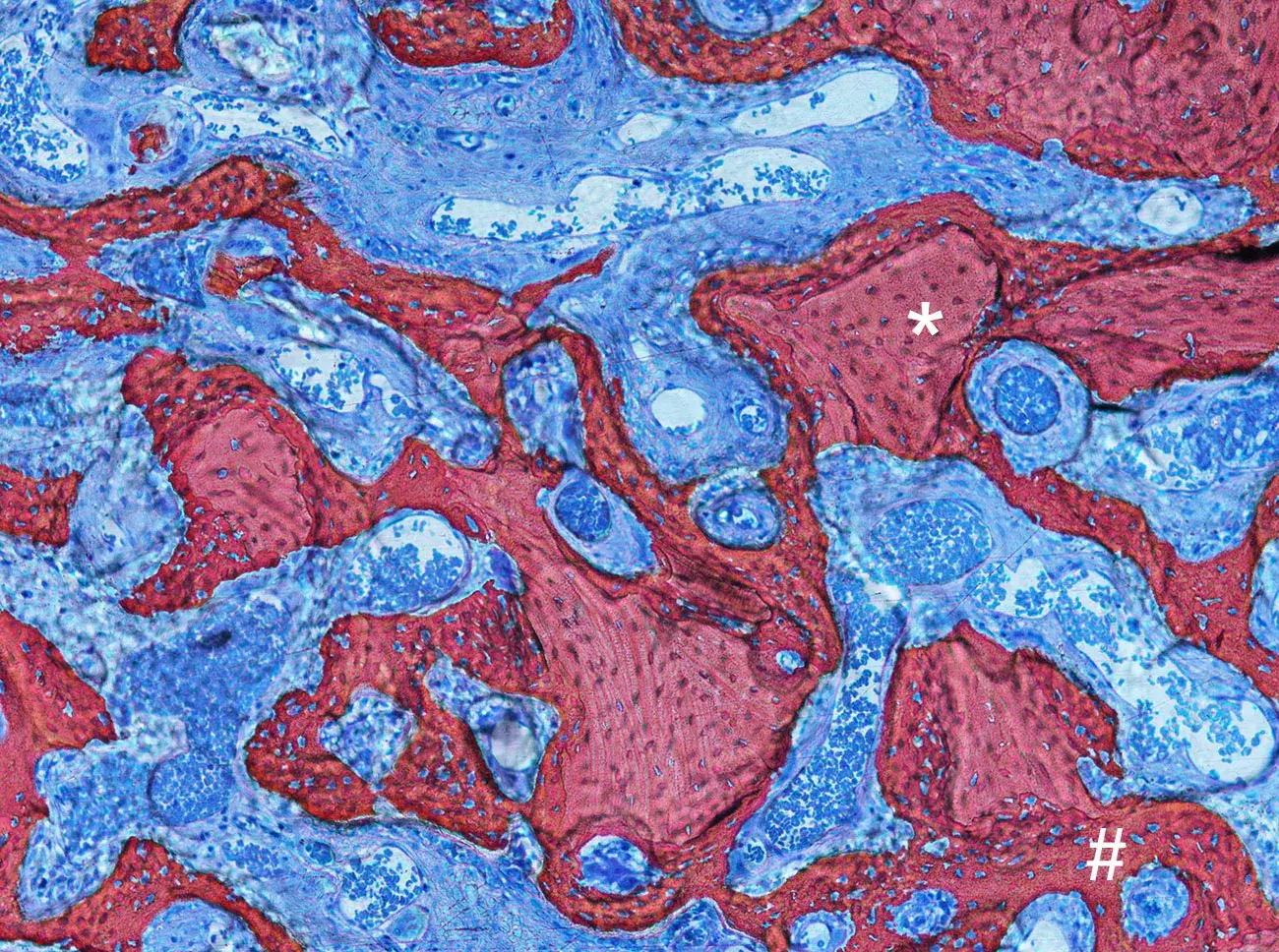
Courtesy of Prof. Daniele Botticelli, Scientific Director of ARDEC Academy, Italy
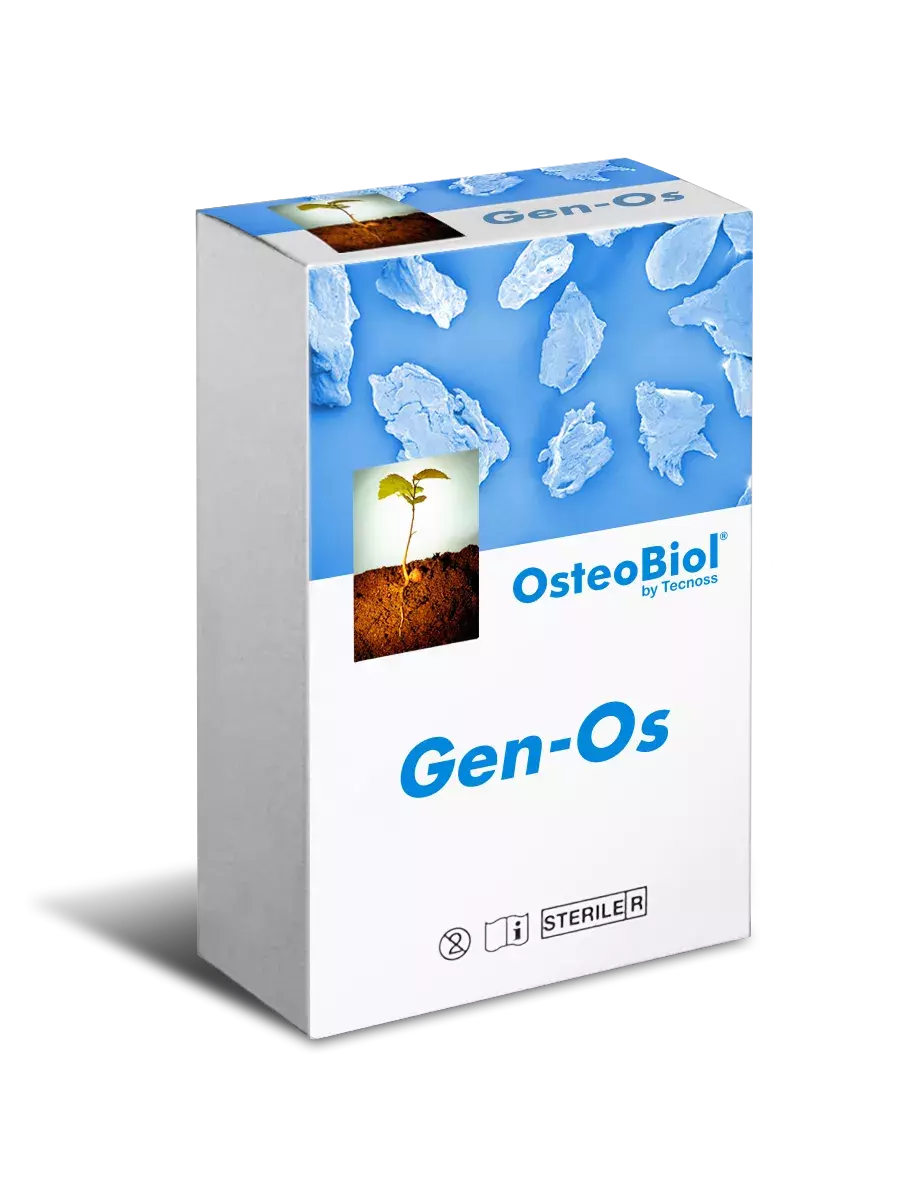
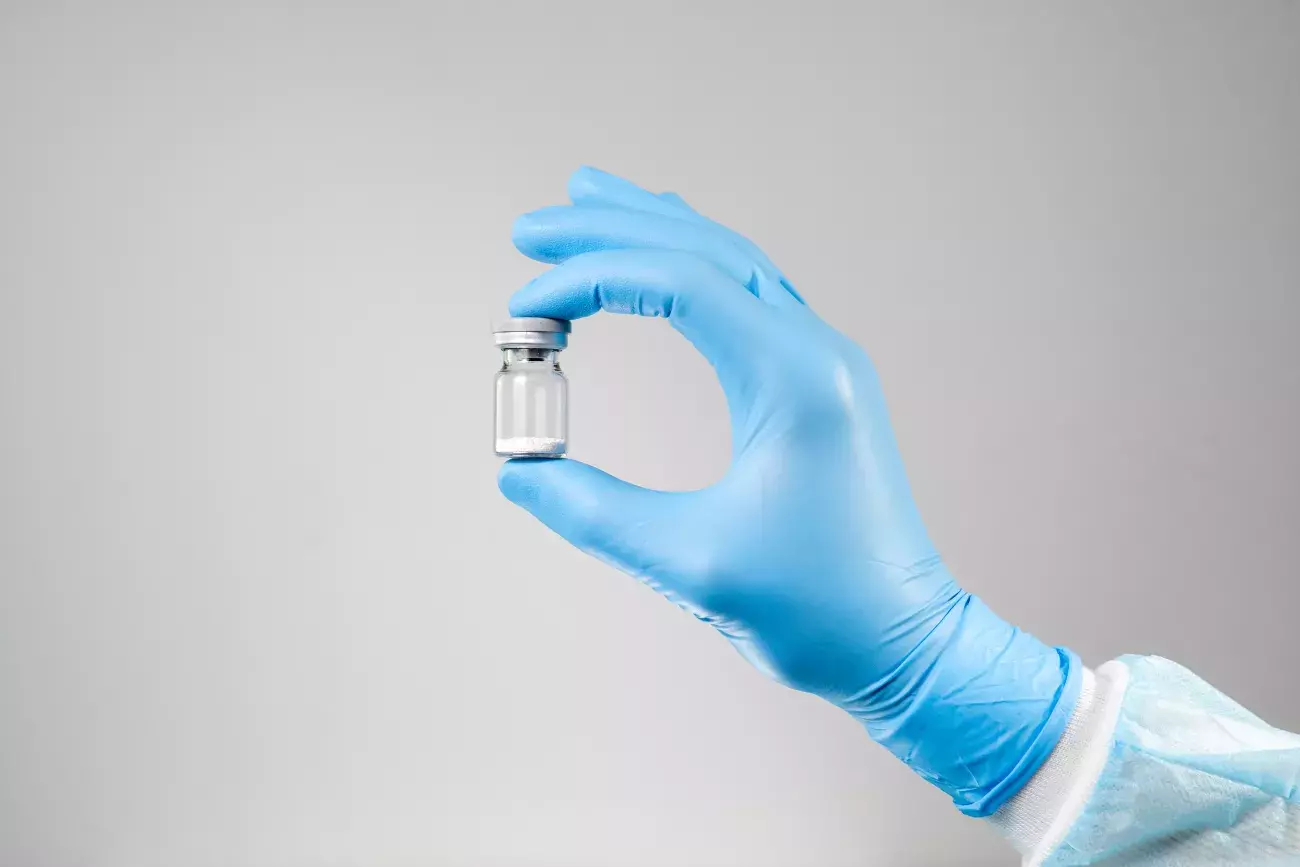
Gen-Os® is a dry cortico-cancellous collagenic bone mix.
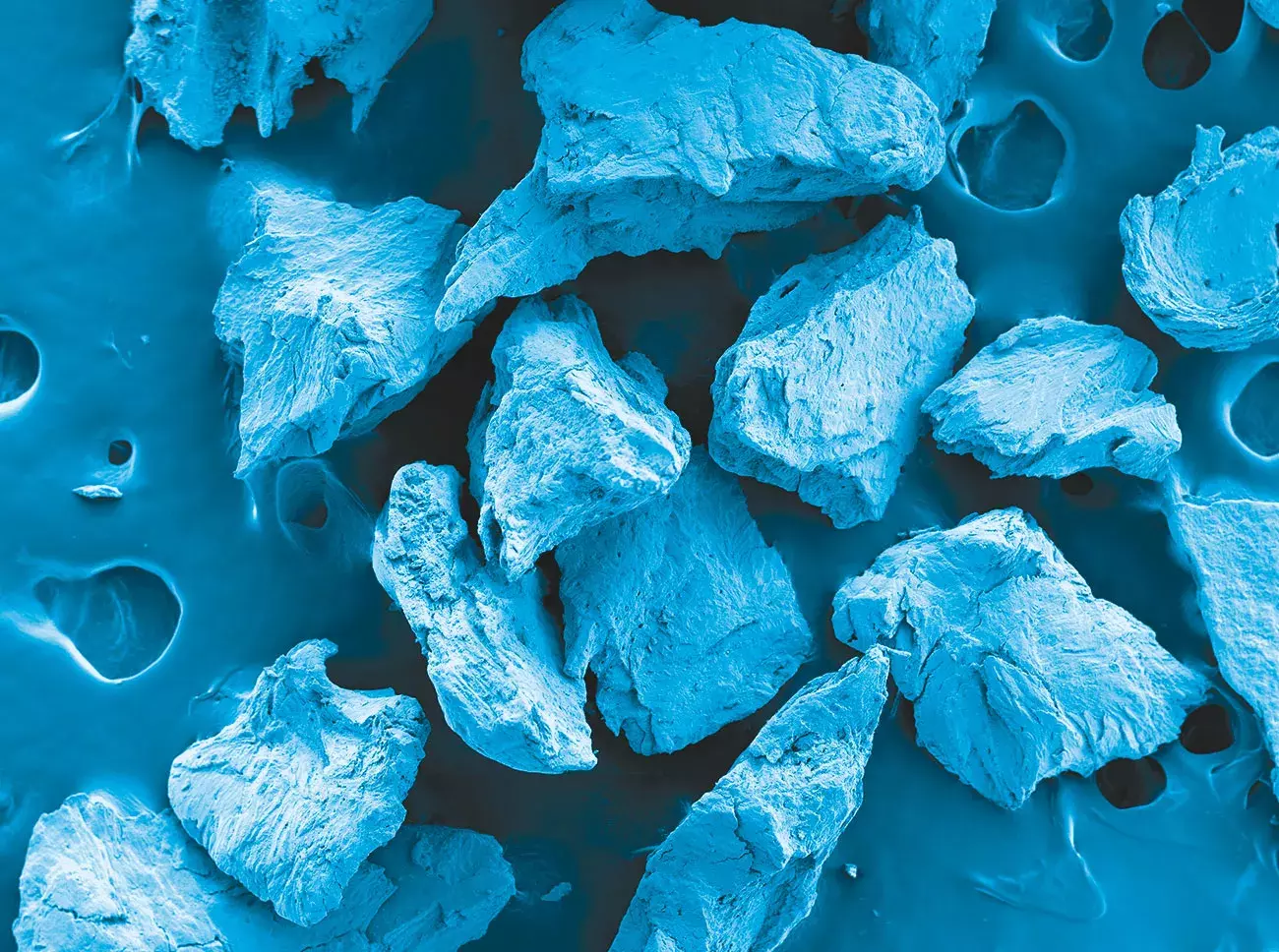
Source: Politecnico di Torino, Torino, Italy.
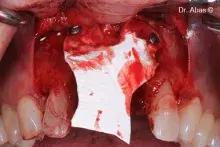
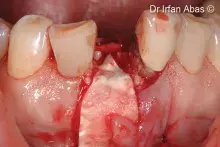
Gen-Os® can be mixed with patient's blood and can be used to effectively treat deep and narrow periodontal defects.
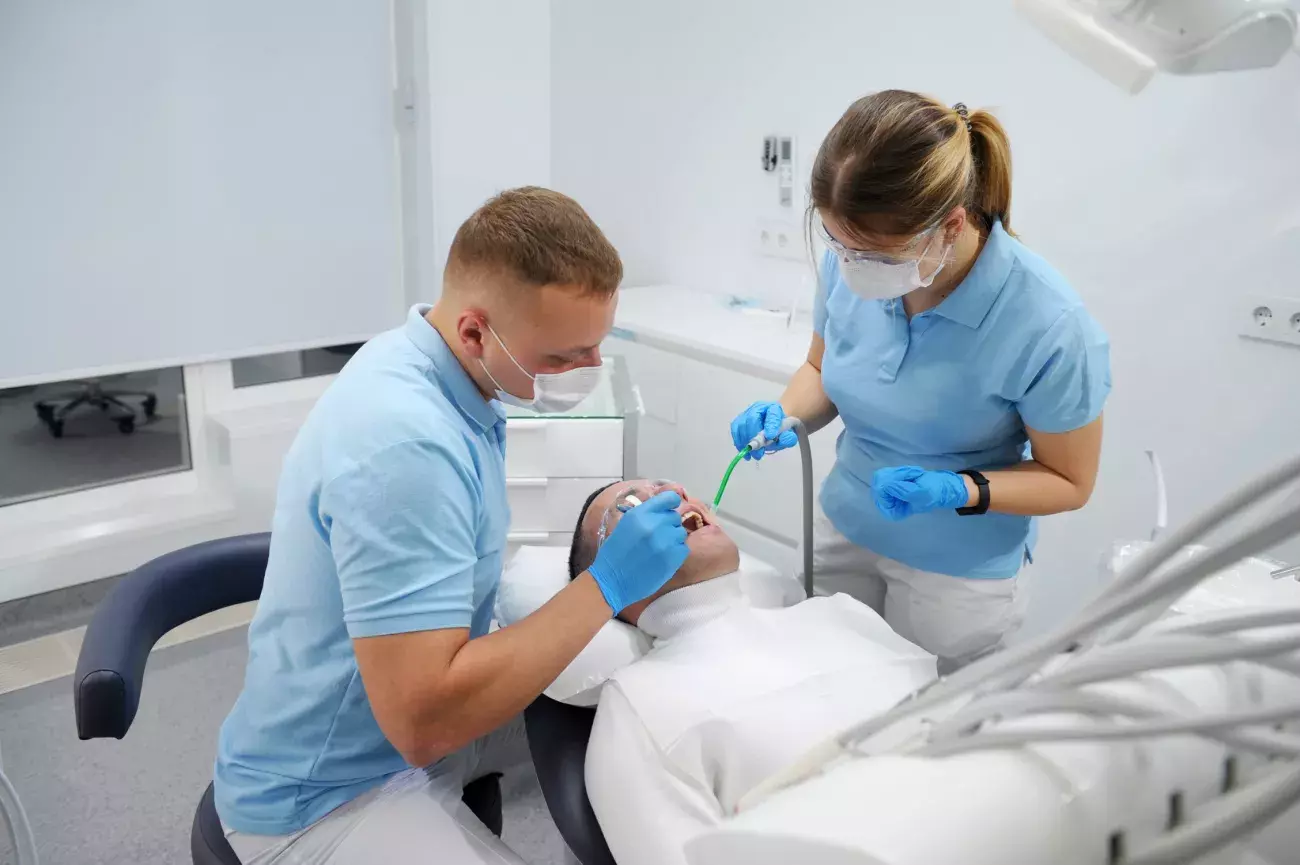
Collagen is a precious protein for bone regeneration. Gen-Os® is the first Dual-Phase xenogenic bone substitute developed by Tecnoss® physically and chemically similar to autogenous bone¹. Gen-Os® can be used alone or mixed with AB chips whenever necessary⁷⁻⁹.
In addition, Gen-Os® has been successfully used for the treatment of deep and narrow periodontal defects⁴,¹⁰⁻¹³.
Finally, more than 25 years of clinical experience and about 100 scientific studies showed that Gen-Os® is a valid universal bone filler that allows predictable results in various surgical procedures³⁻¹⁴.
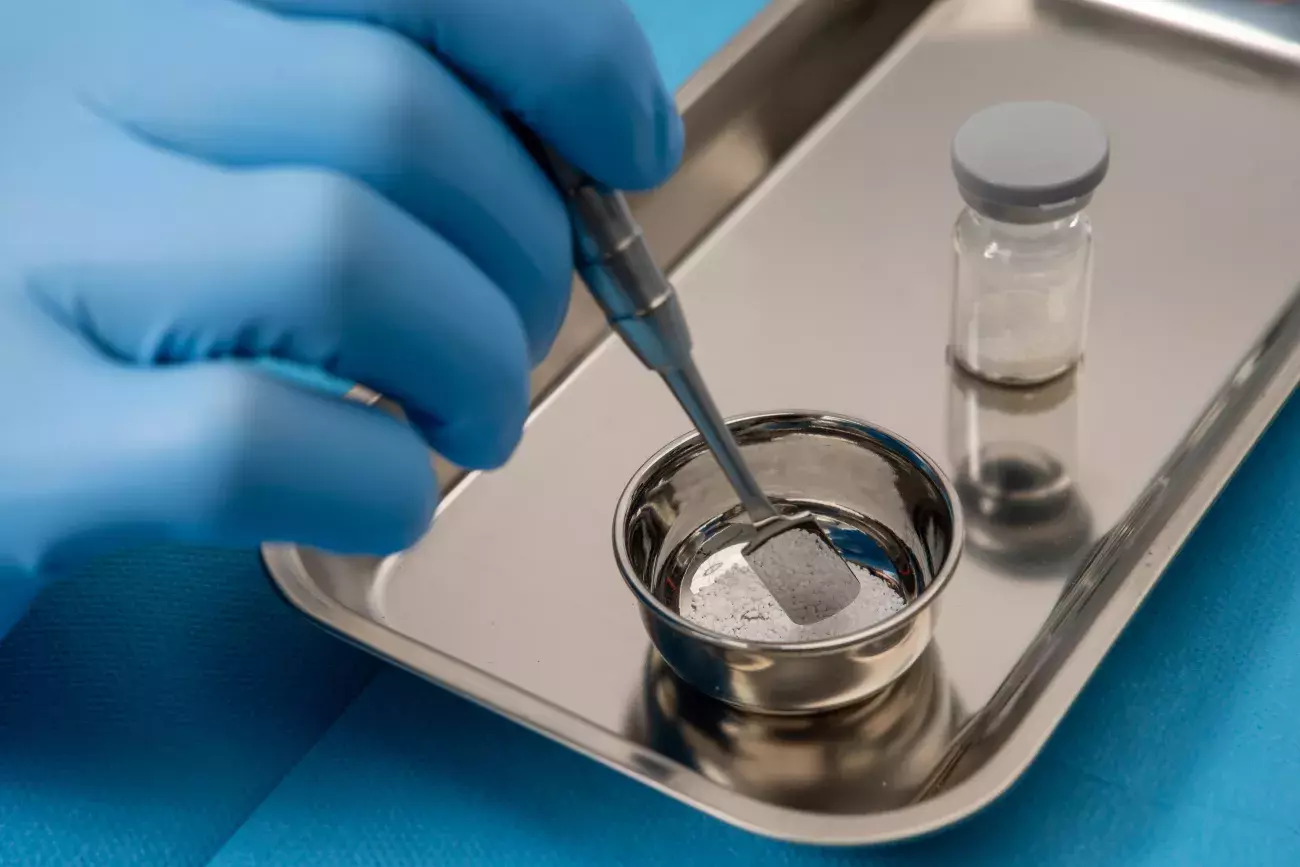
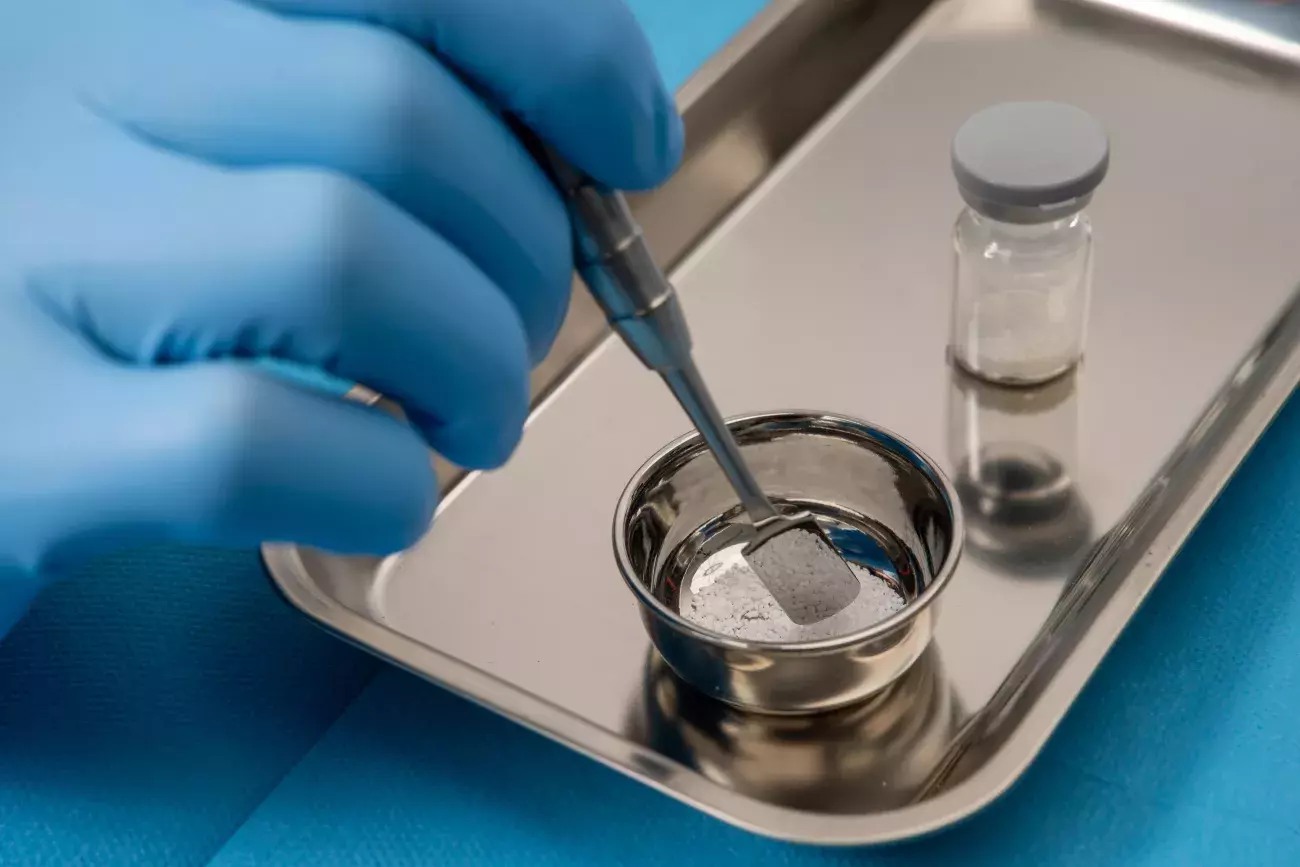
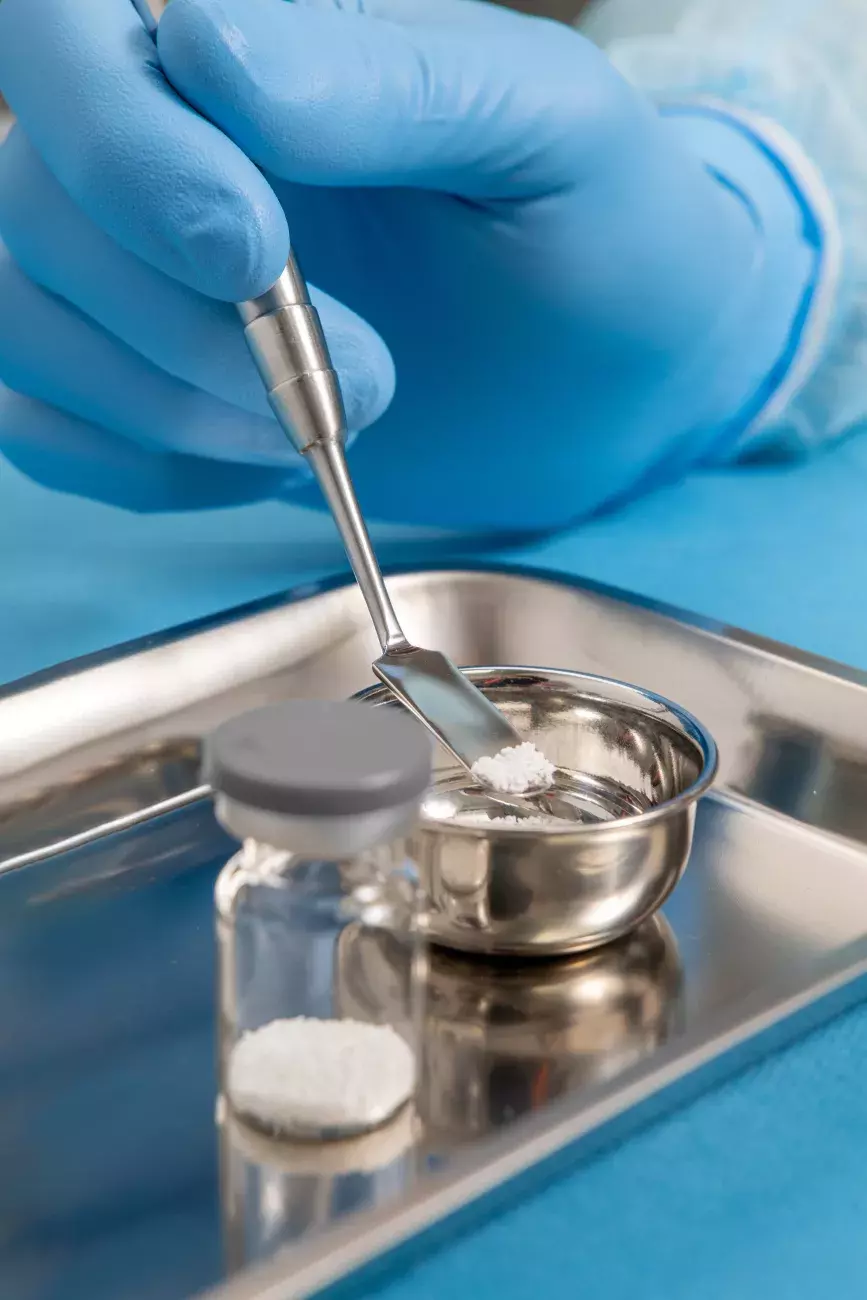
Gen-Os® must always be hydrated and thoroughly mixed with either a few drops of sterile physiological solution or the patient's blood to activate its collagen matrix embedded within the xenogenic bone granules.
Description:
| Codes | Size | Type | Granulometry | Mean observed re-entry time |
|---|---|---|---|---|
| M1052FS | 0.25 g | 1 Vial | 250-1000 μm | About 5 months |
| M1005FS | 0.50 g | 1 Vial | 250-1000 μm | About 5 months |
| M1010FS | 1.00 g | 1 Vial | 250-1000 μm | About 5 months |
| M1020FS | 2.00 g | 1 Vial | 250-1000 μm | About 5 months |
| M0210FS | 1.00 g | 1 Vial | 1000-2000 μm | About 5 months |
| M0220FS | 2.00 g | 1 Vial | 1000-2000 μm | About 5 months |
| Codes | Size | Type | Granulometry | Mean observed re-entry time |
|---|---|---|---|---|
| M1052FE | 0.25 g | 1 Vial | 250-1000 μm | About 5 months |
| M1005FE | 0.50 g | 1 Vial | 250-1000 μm | About 5 months |
| M1010FE | 1.00 g | 1 Vial | 250-1000 μm | About 5 months |
| M1020FE | 2.00 g | 1 Vial | 250-1000 μm | About 5 months |
Attention please! The OsteoBiol® website contains information on Medical Devices, which may be dangerous for the patient health and safety if not used exclusively by medical professionals.