A female patient (62 years old) requires rehabilitation of the upper jaw.
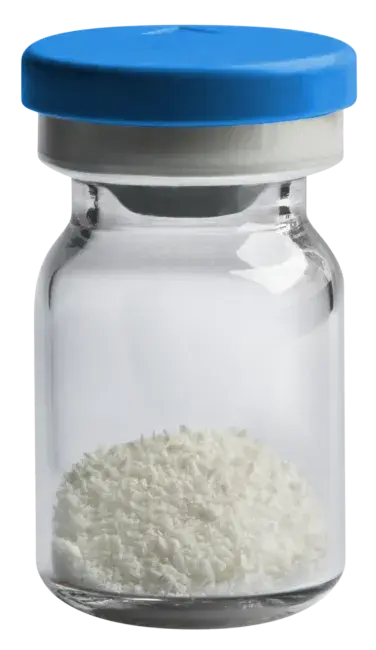
- Gen-Os®
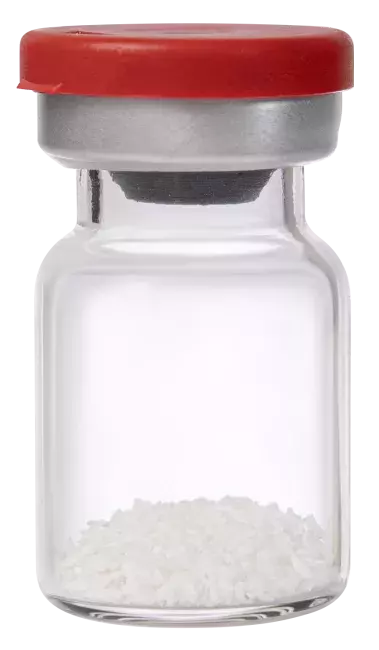
- Apatos®
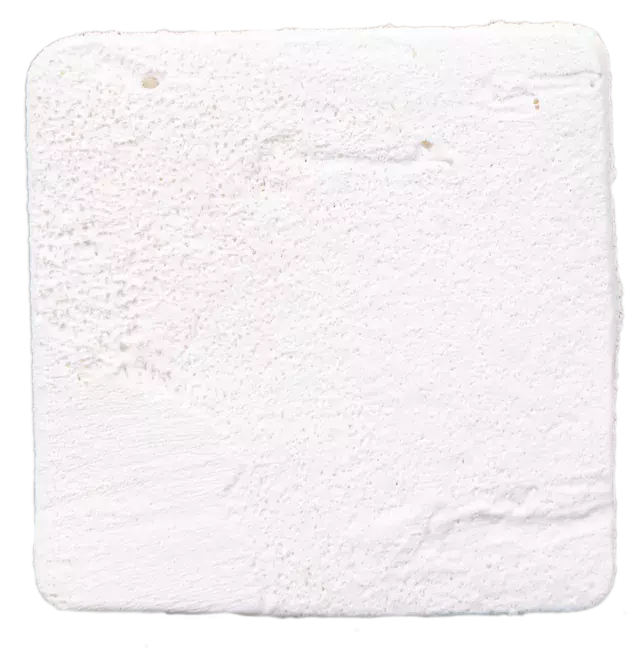
- Lamina®
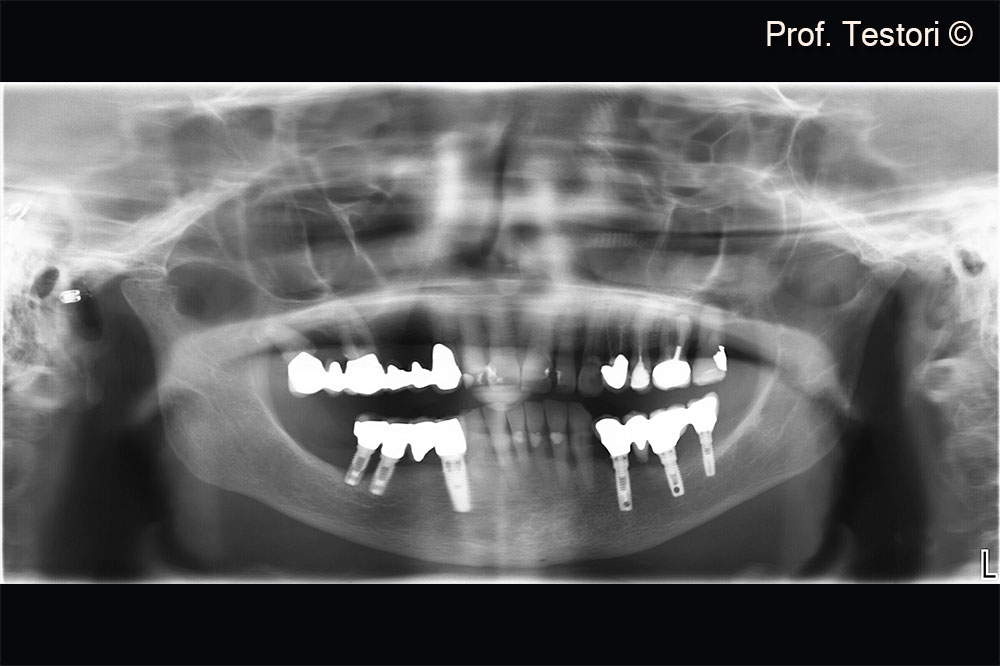
Radiographic evaluation at consultation visit.
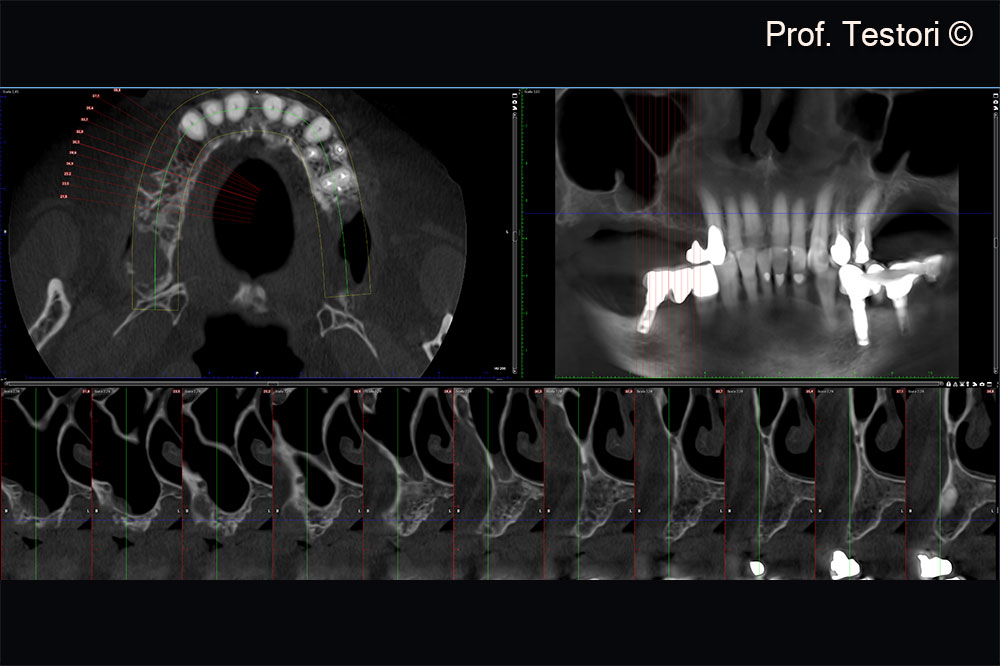
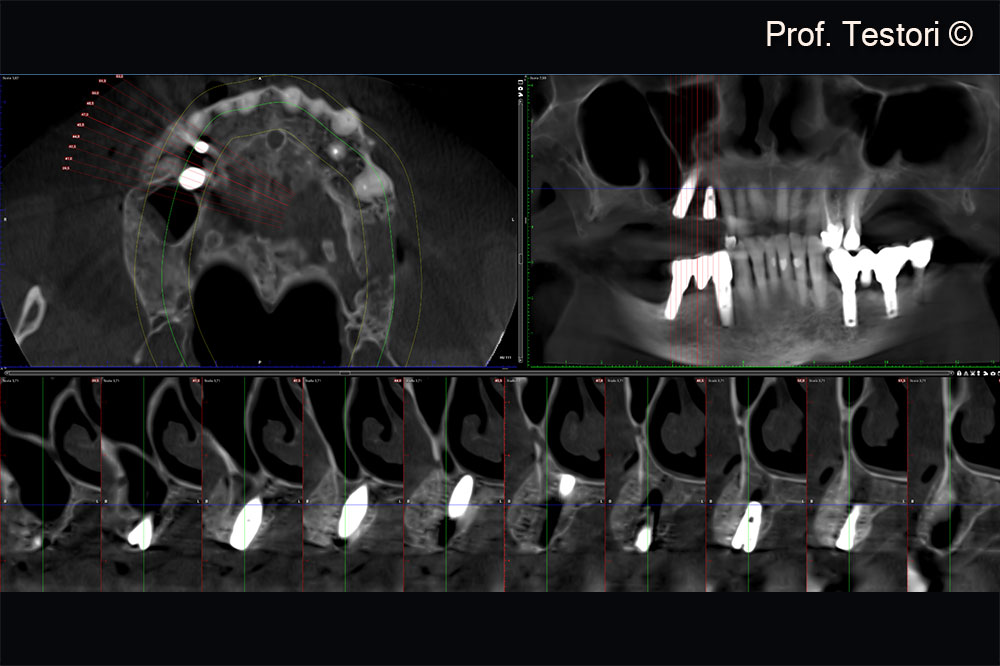
Cone-beam computerized tomography exam after 4 months of healing.
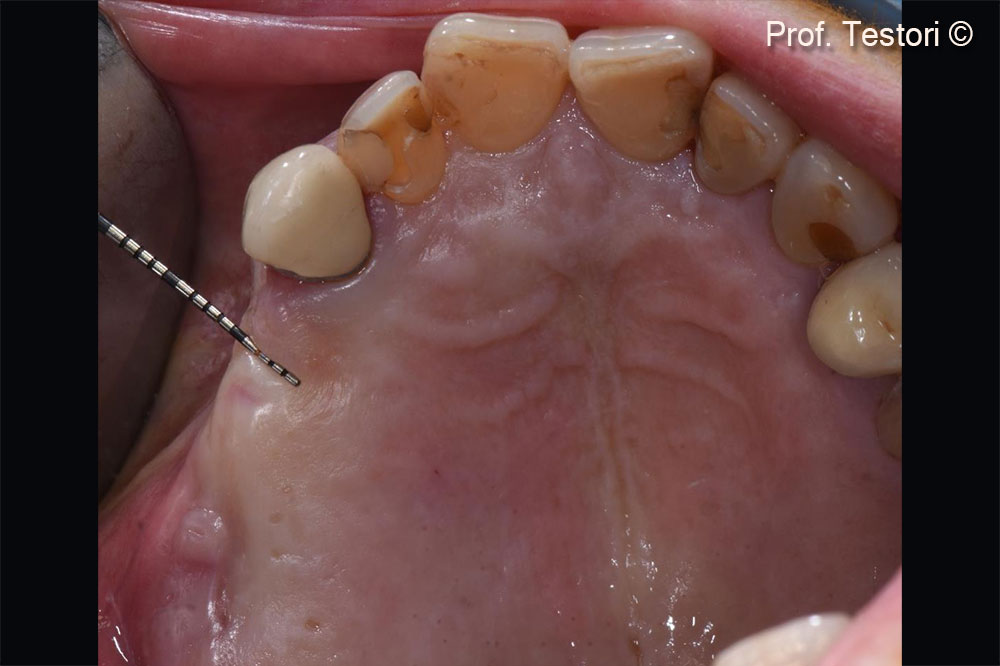
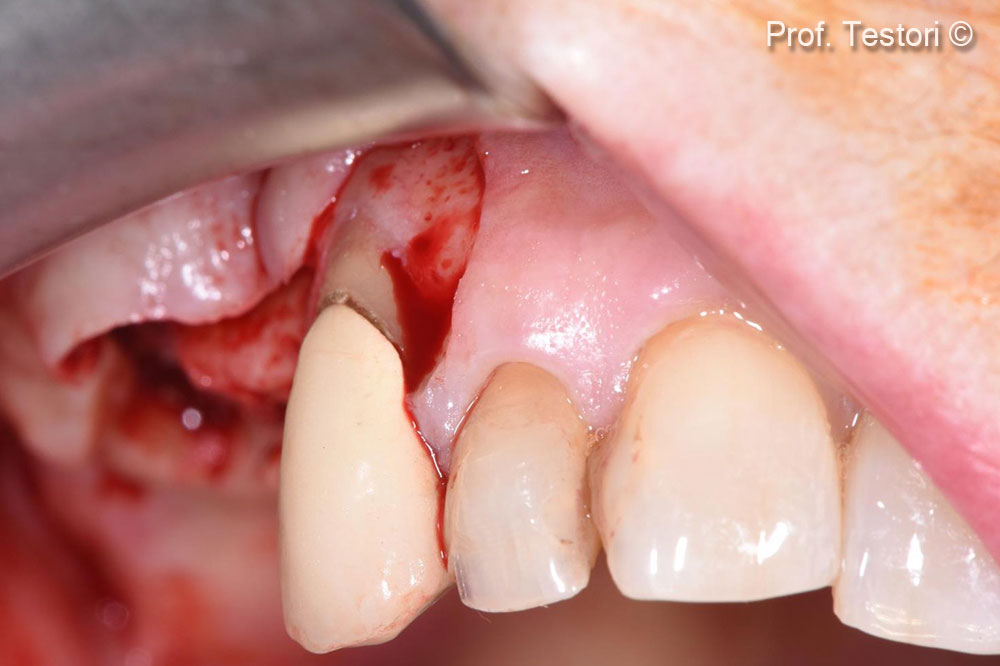
Clinical view of the defect.
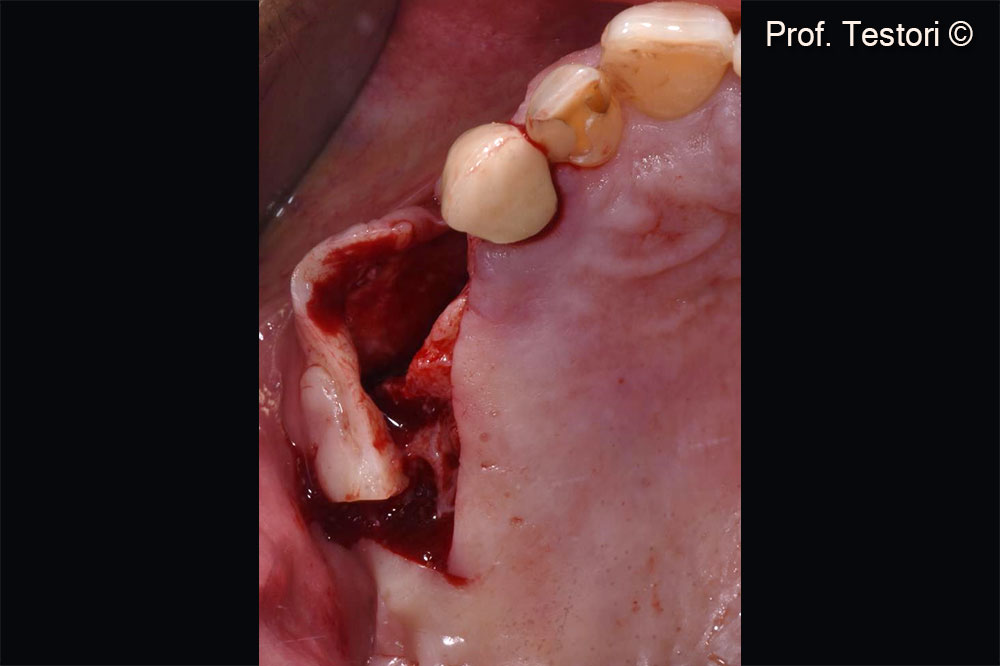
Flap design
Flap design
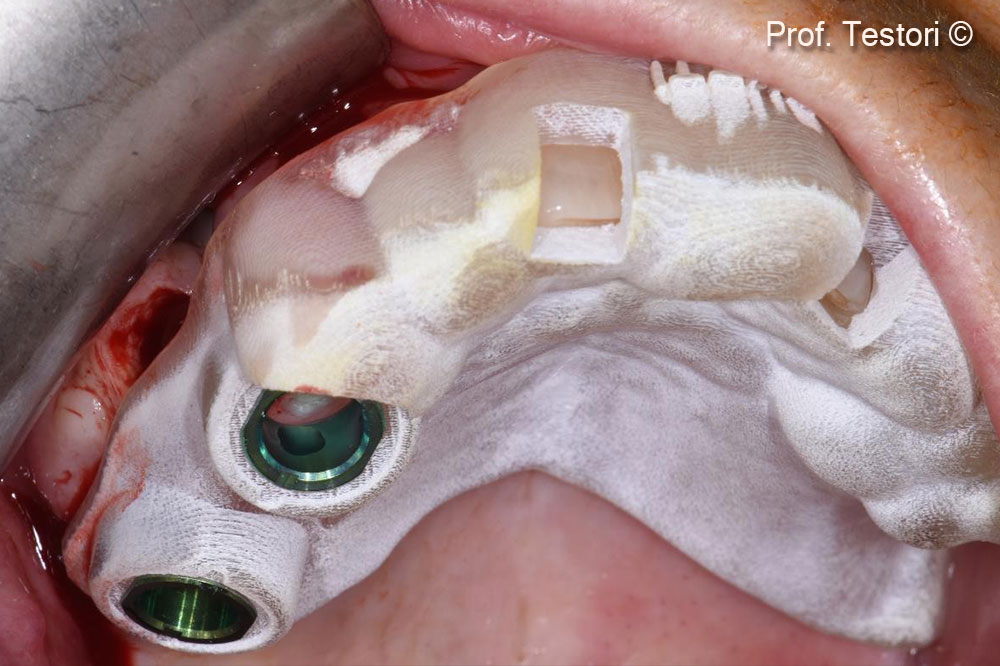
The fit of the tooth-supported surgical template is carefully tested
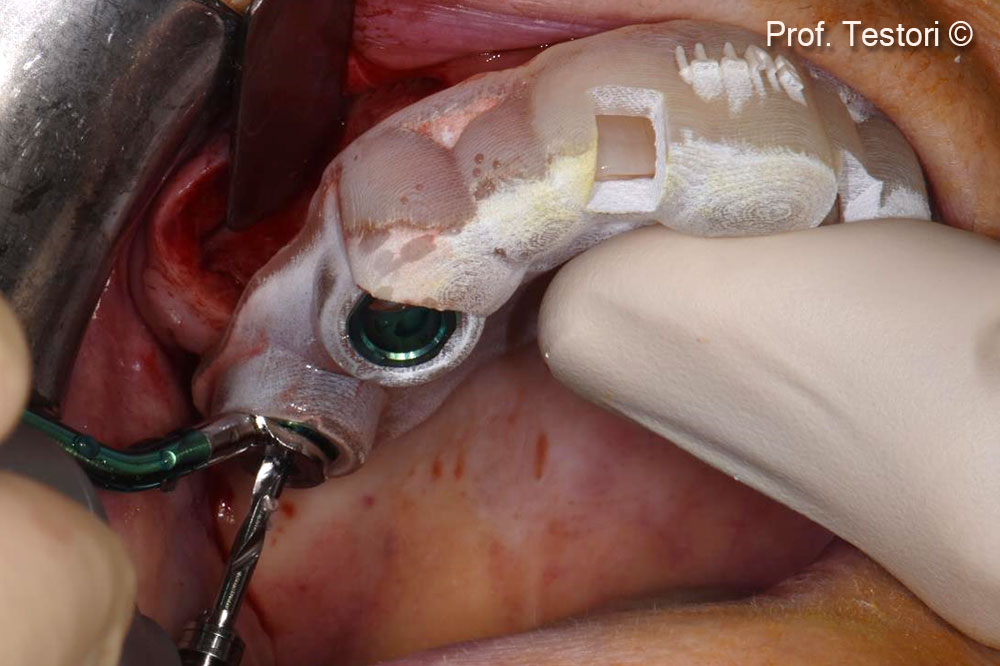
Implant site preparation.
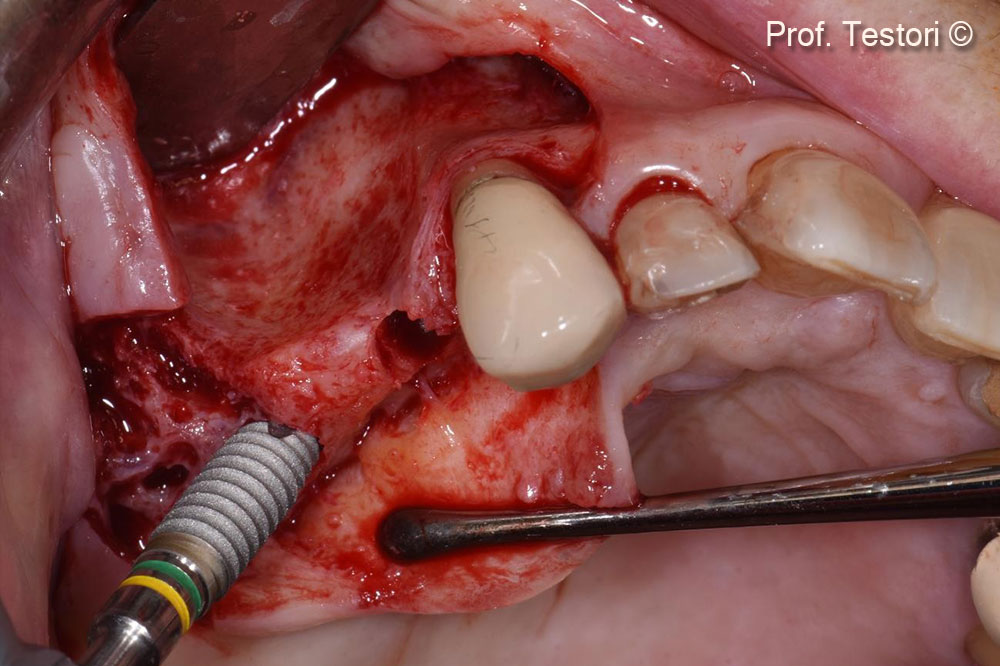
Implant placement.
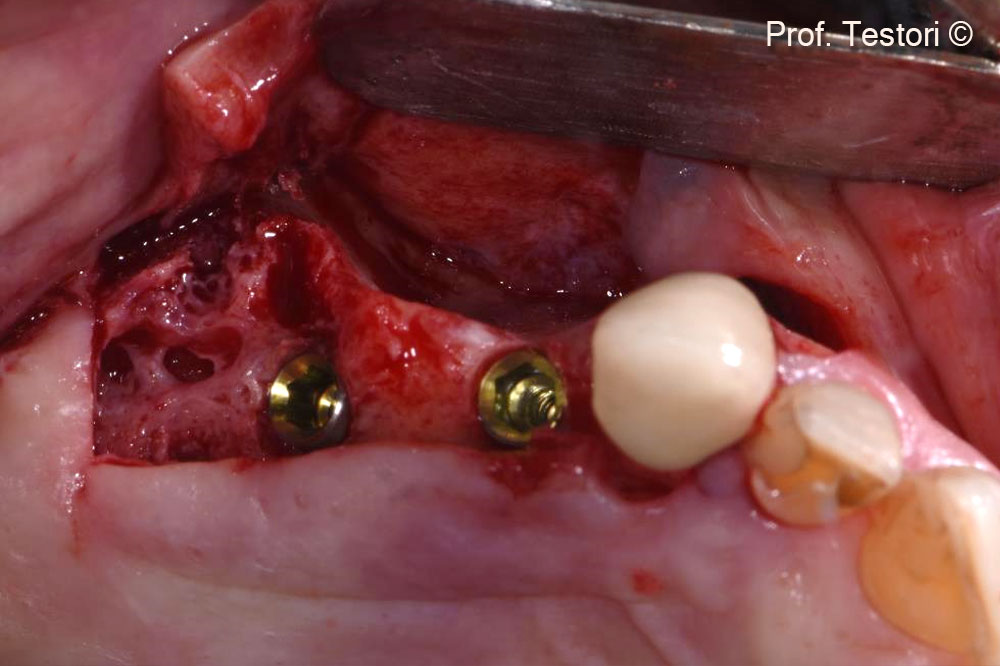
Occlusal view of the horizontal bone defect around the dental implants
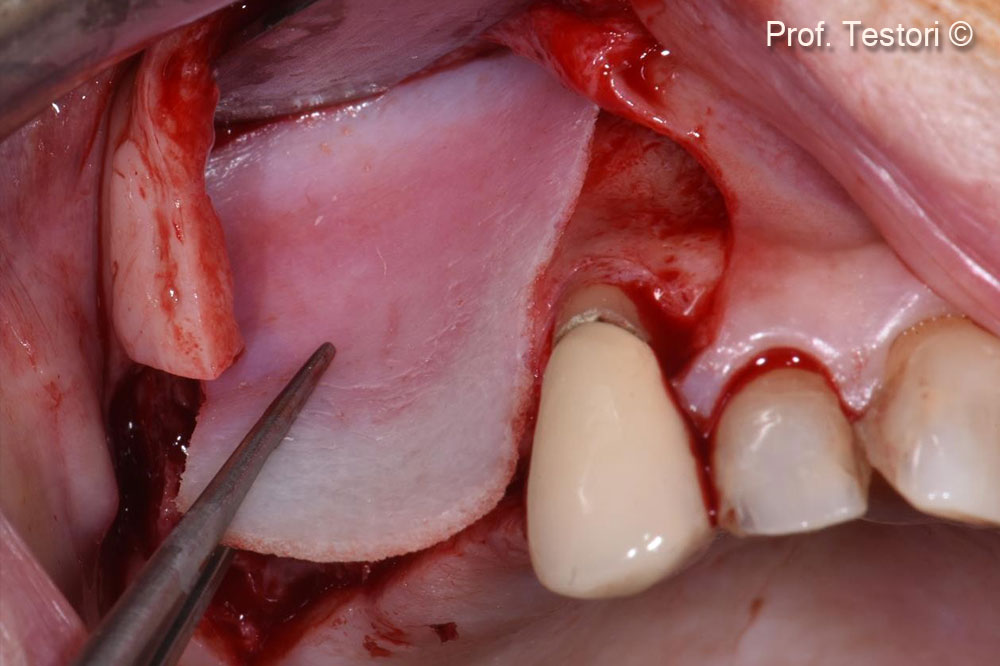
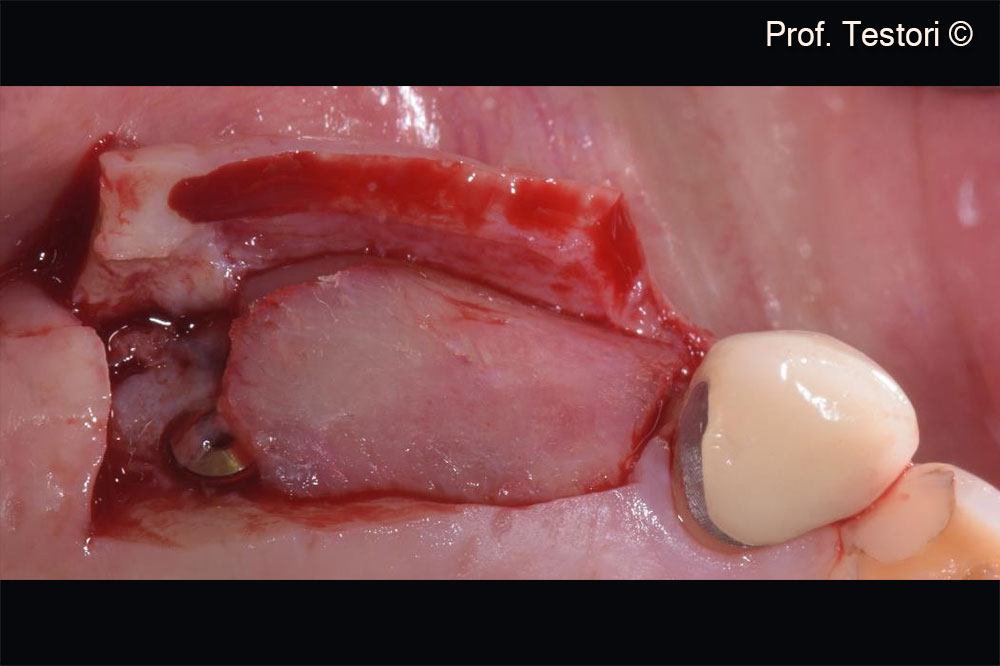
Lamina® is adapted to the defect.
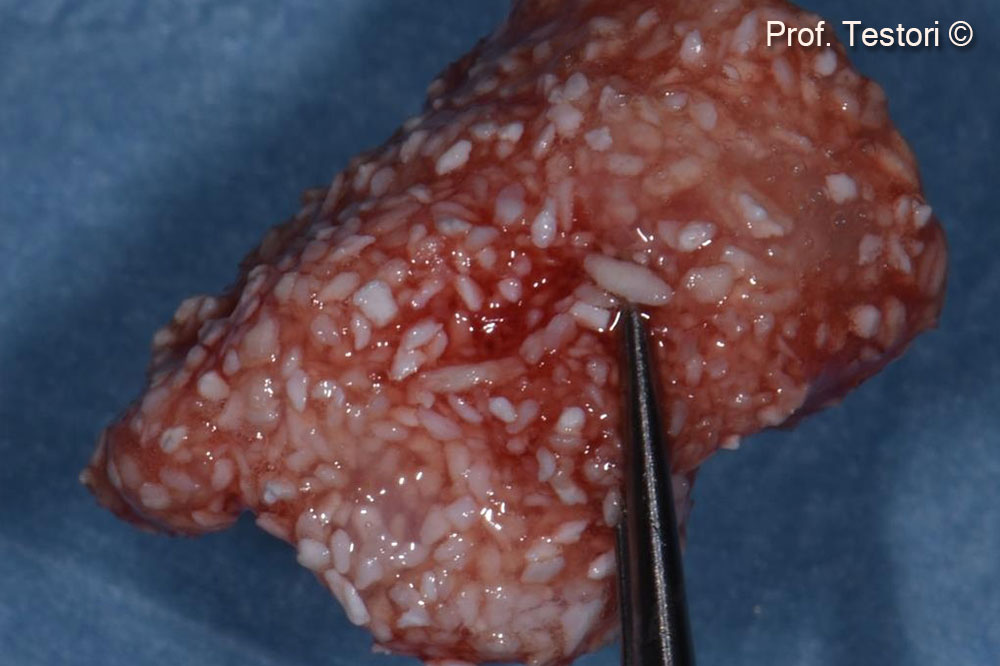
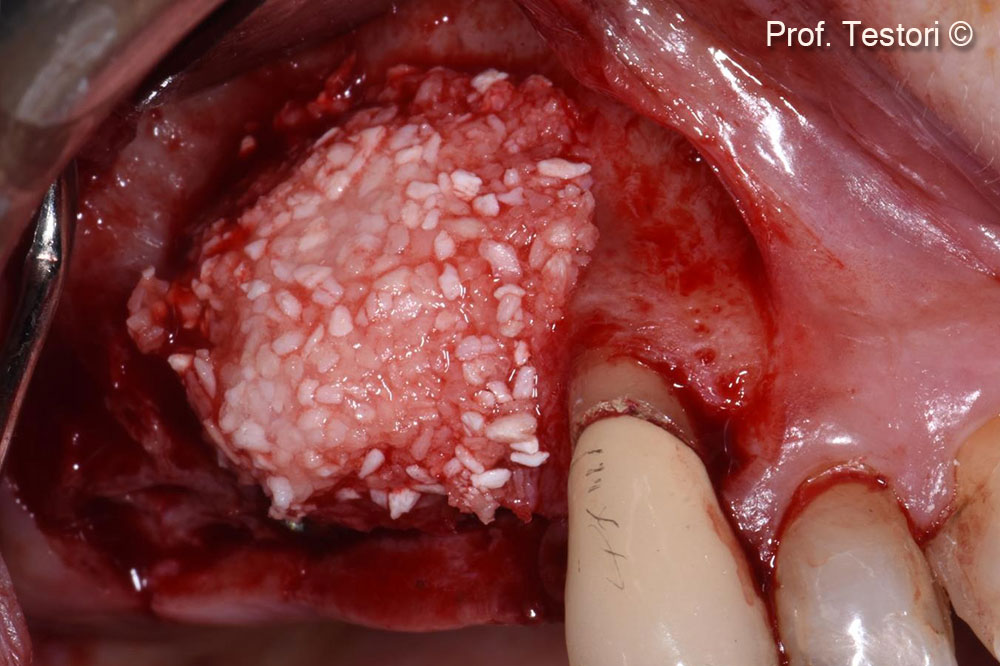
Mix of Gen-Os®, Apatos®, and fibrin sealant.
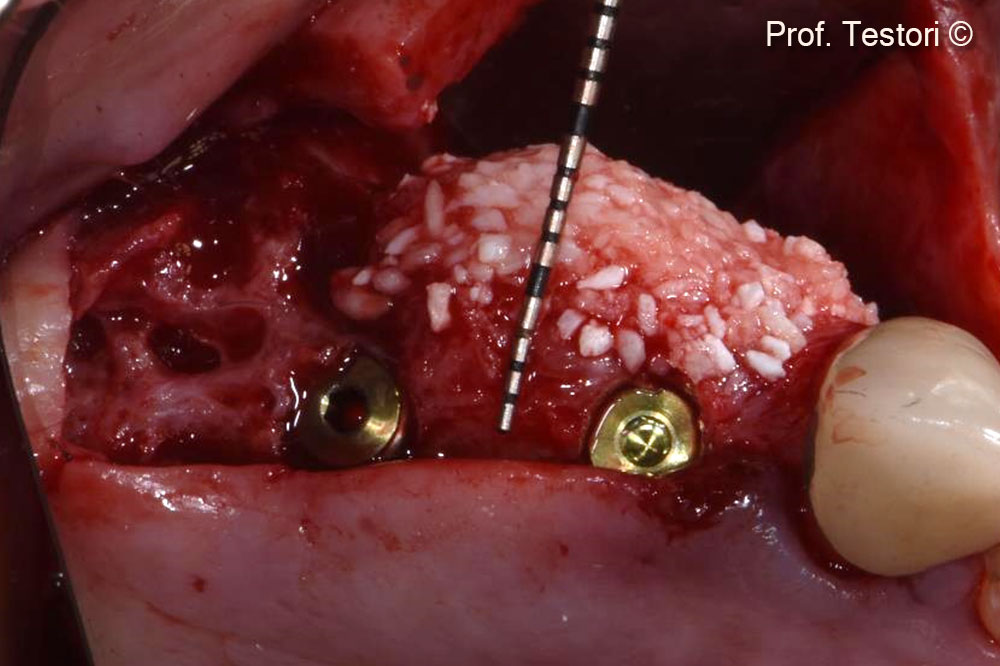
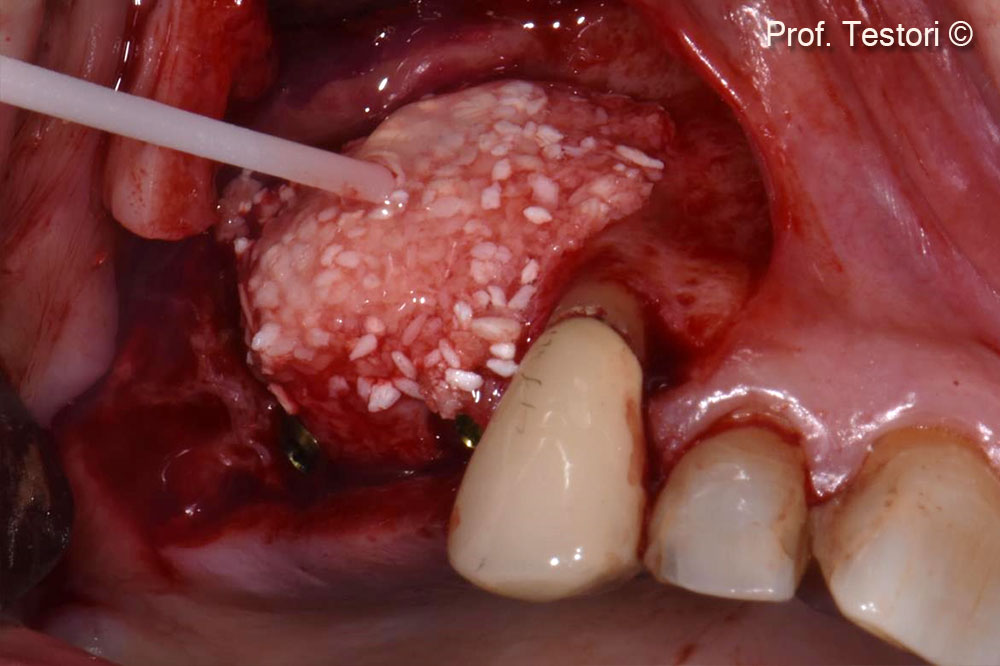
Mix of Gen-Os®, Apatos®, and fibrin sealant in place.
Fibrin sealant is applied over the bone particles to allow Lamina® adhesion
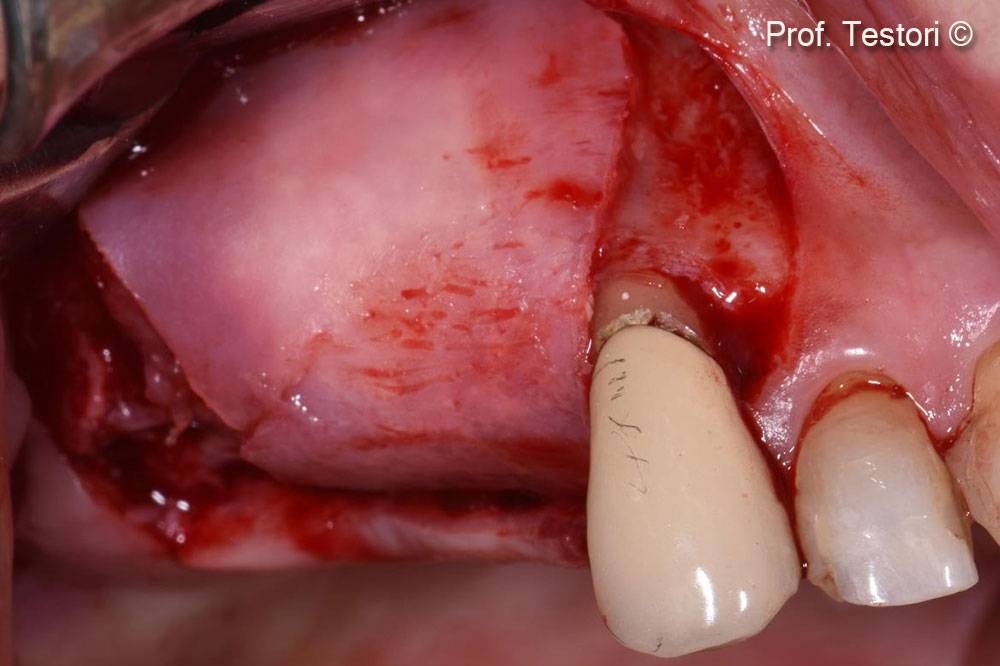
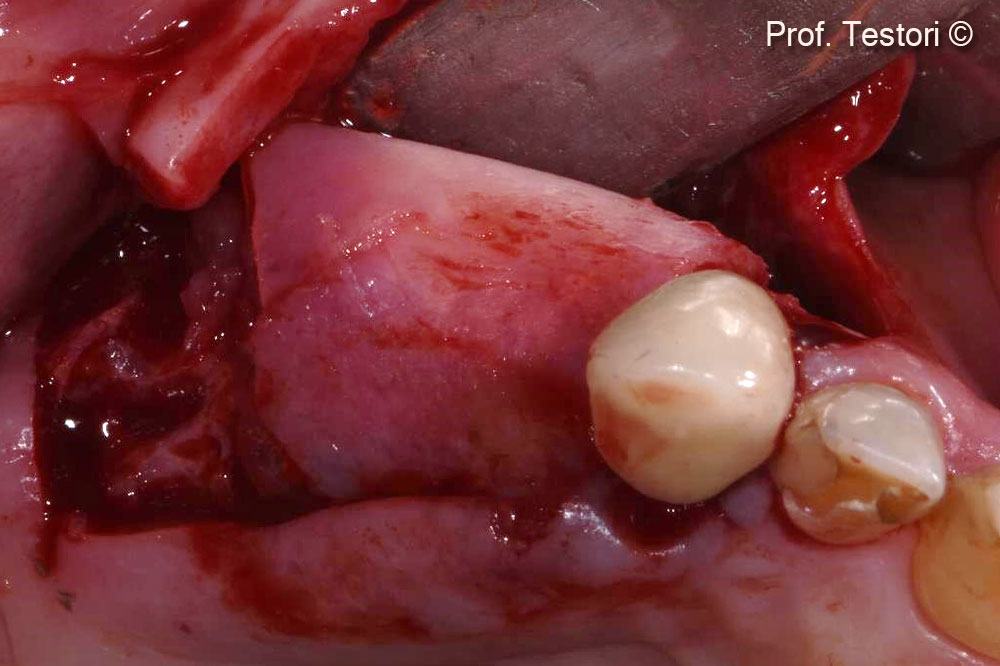
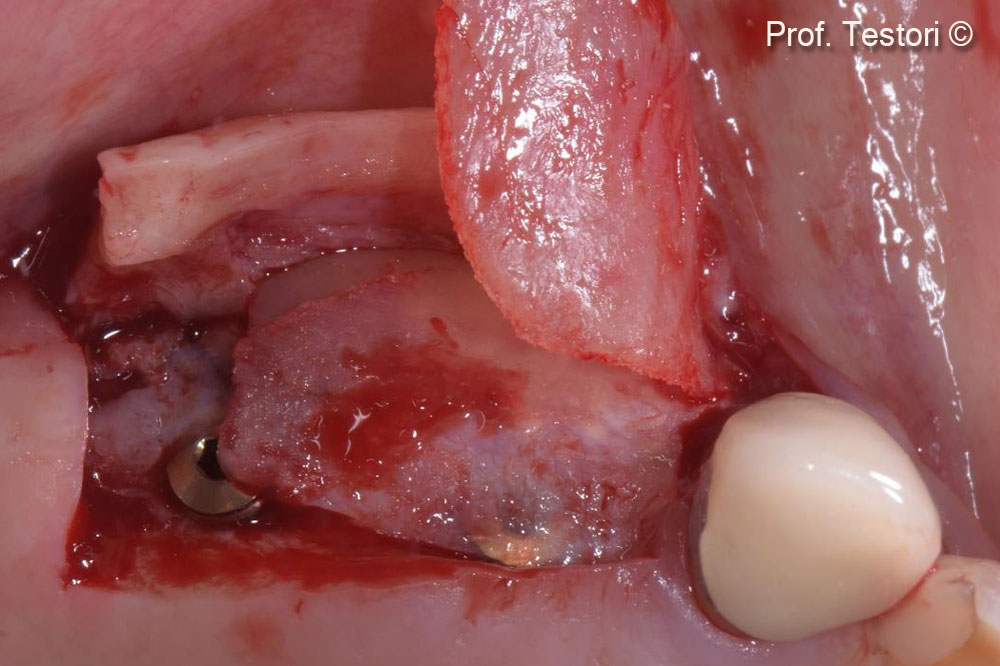
Lamina® is placed with slight pressure.
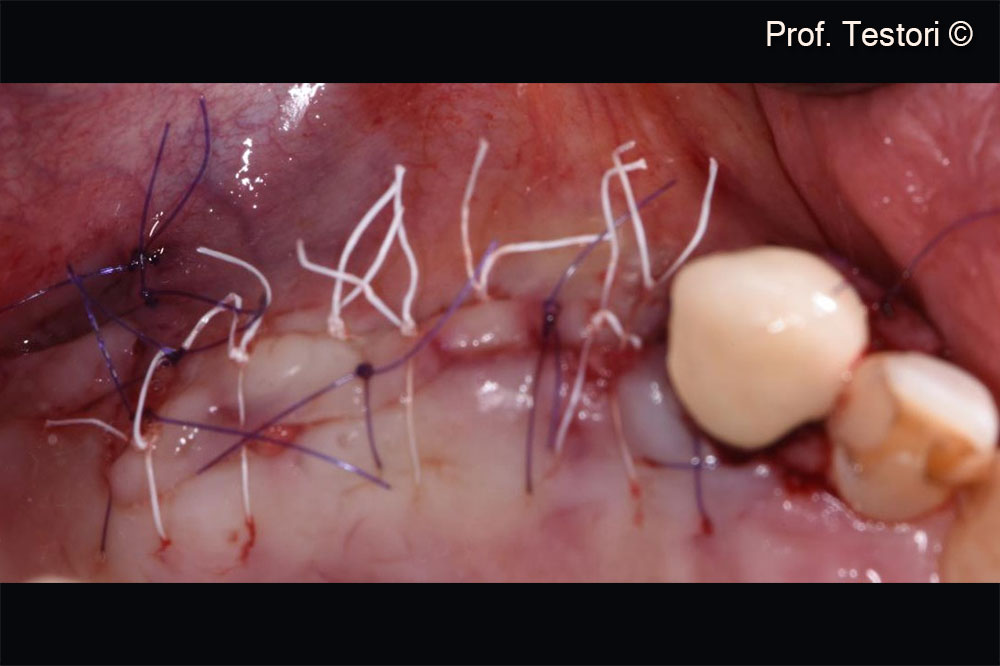
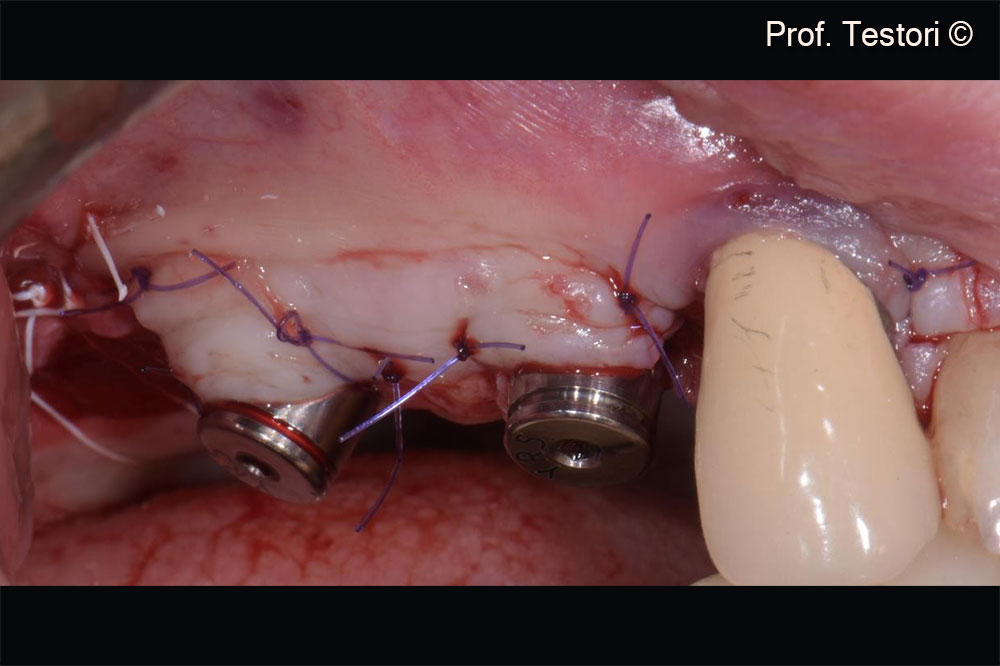
Flap suture after the GBR.
Postoperative cone-beam computerized tomography exam.
Soft tissue healing after 5 months. Healing at the augmented site
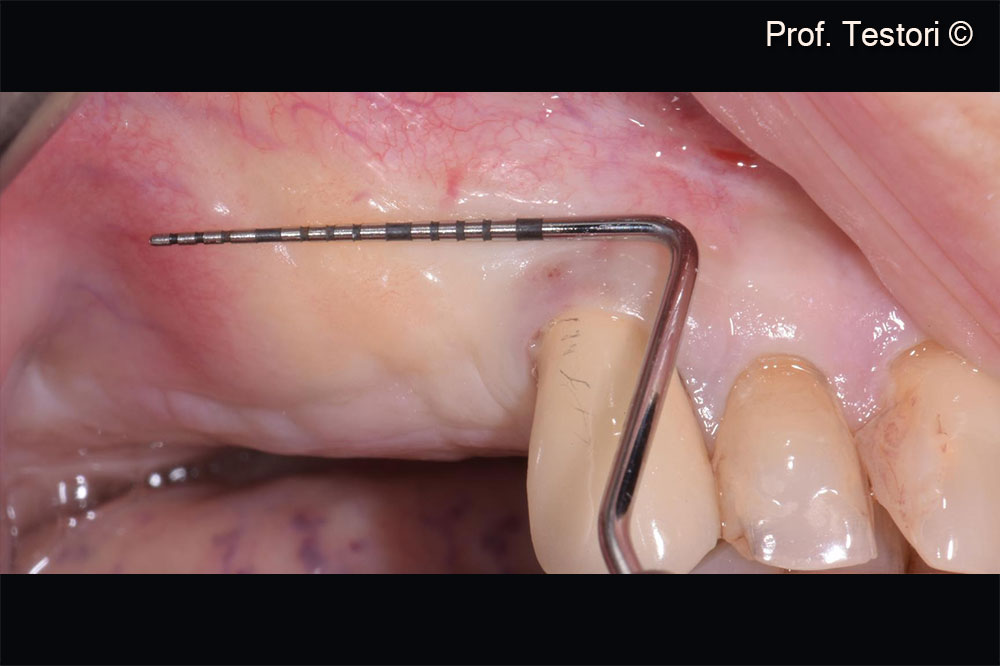
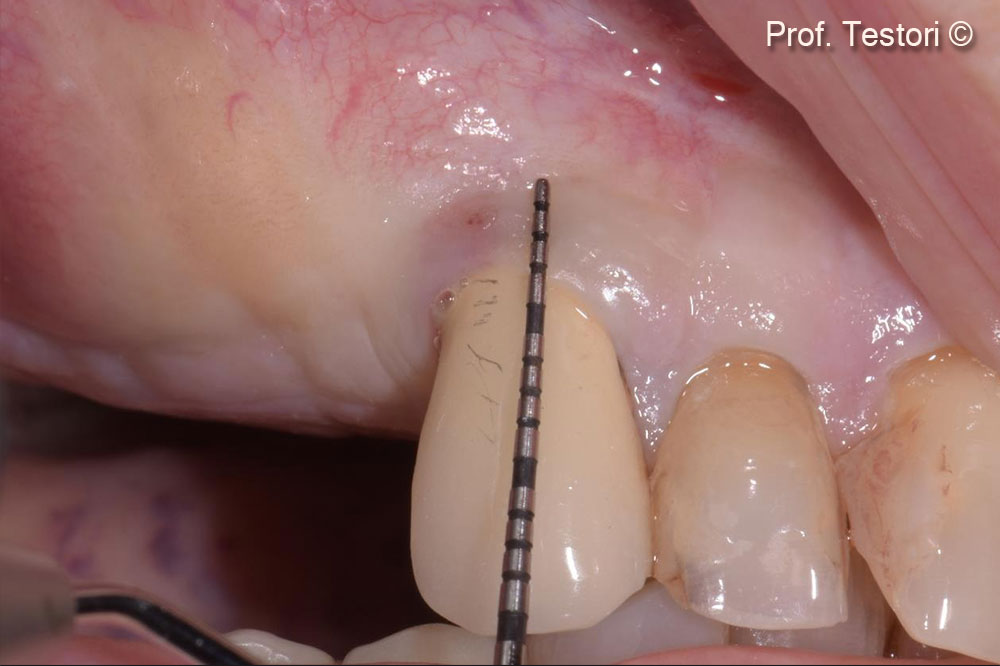
Soft tissue healing after 5 months. Soft tissue evaluation of the adjacent tooth.
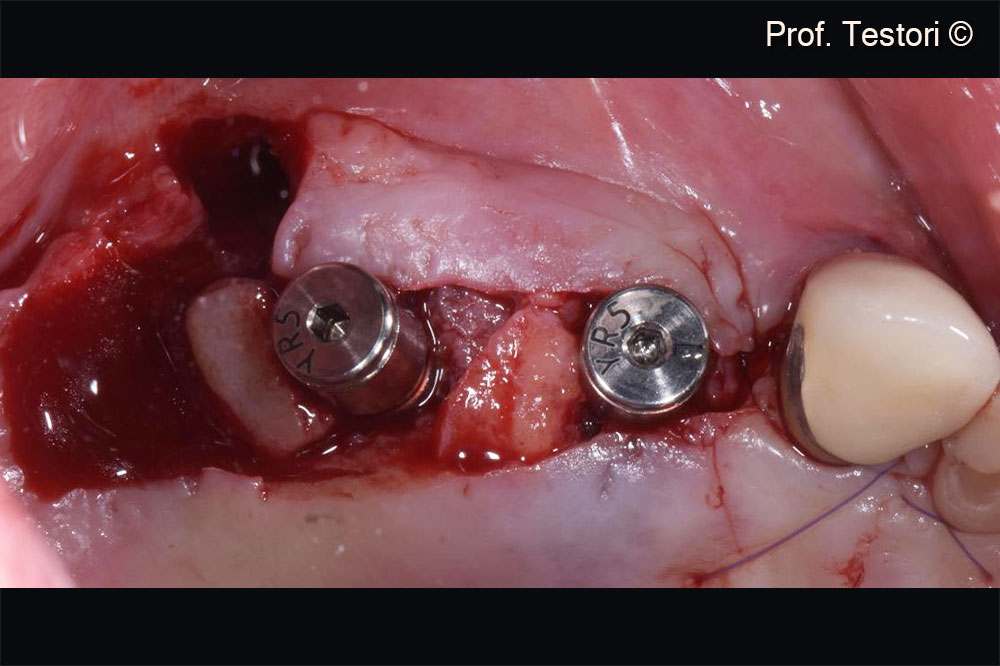
Second stage surgery. Flap design.
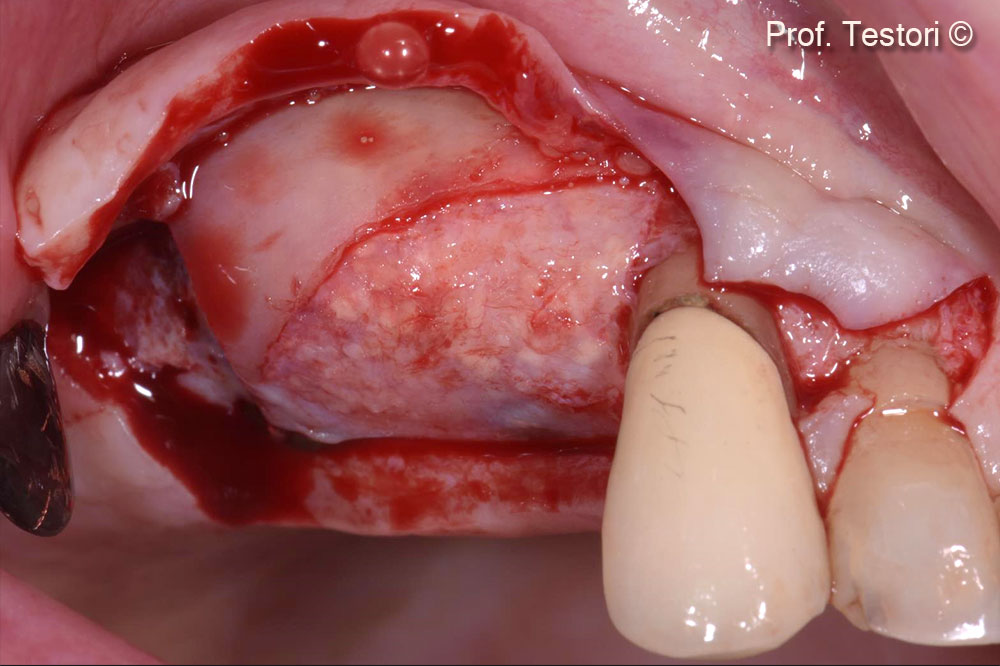
Lamina® removal.
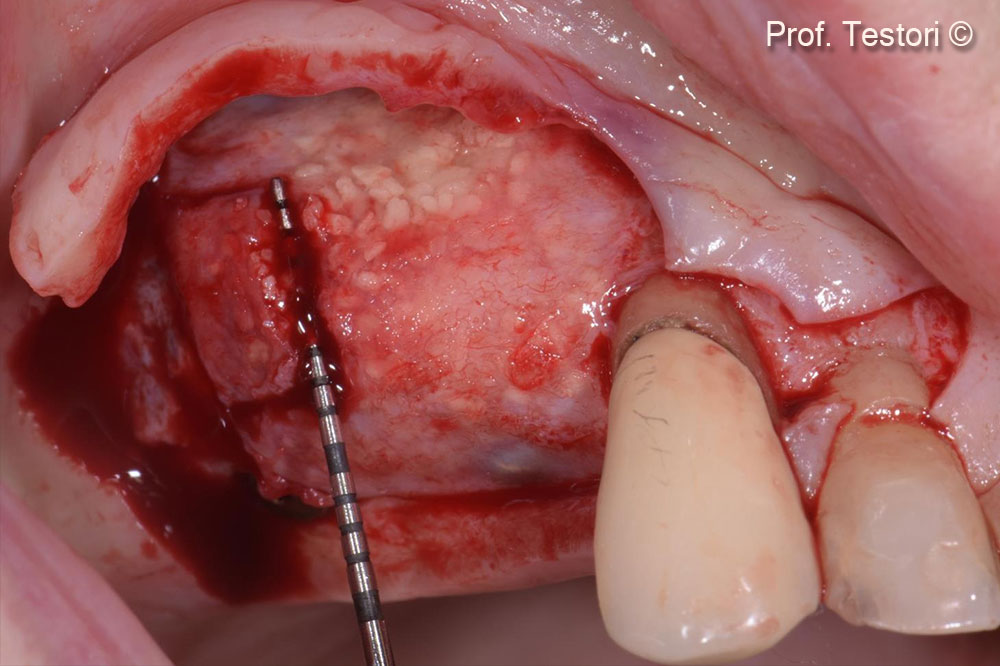
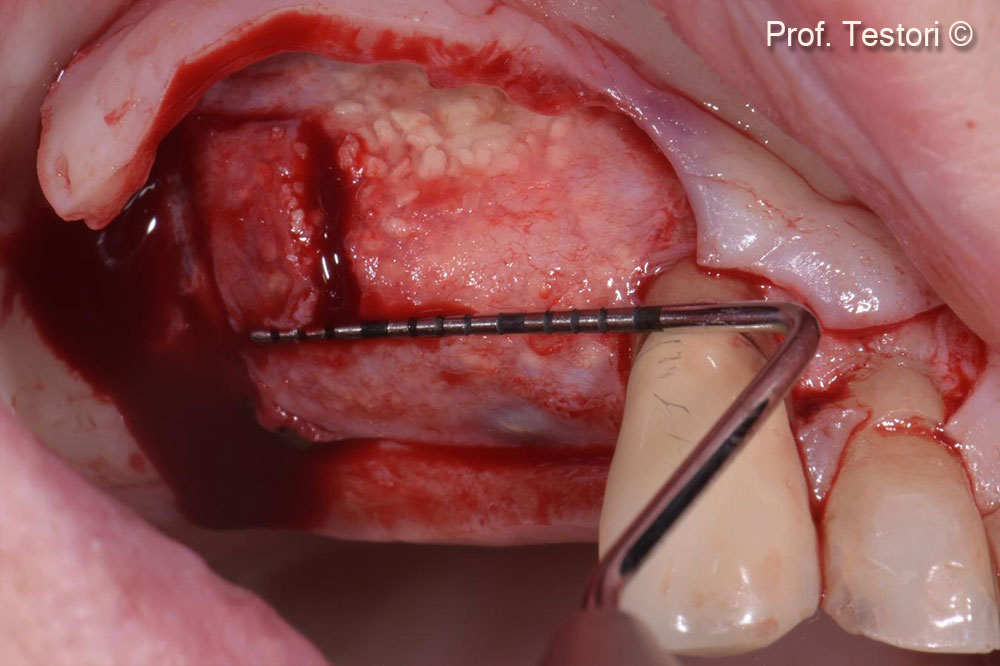
Bone regeneration after Lamina® removal
Bone biopsy.
Bone biopsy.
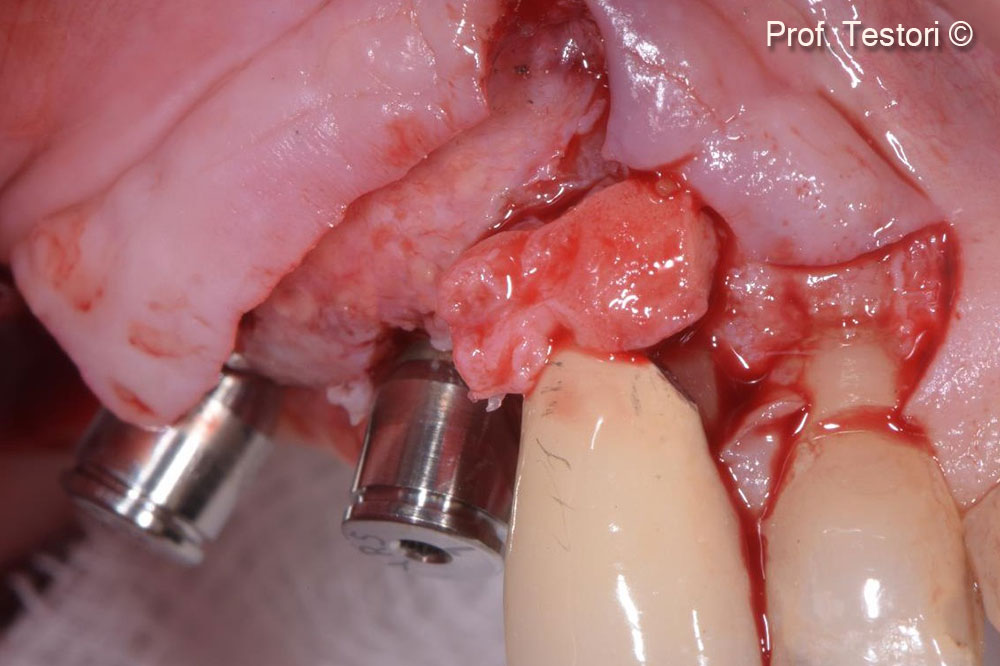
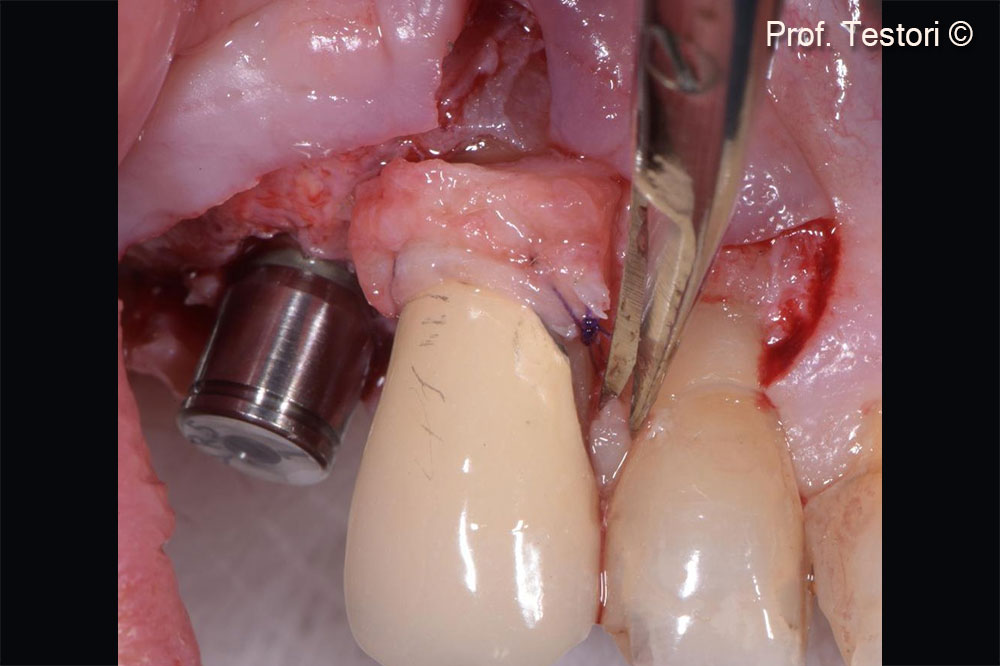
Soft tissue augmentation at adjacent tooth.
Flap sutures.
Flap sutures.
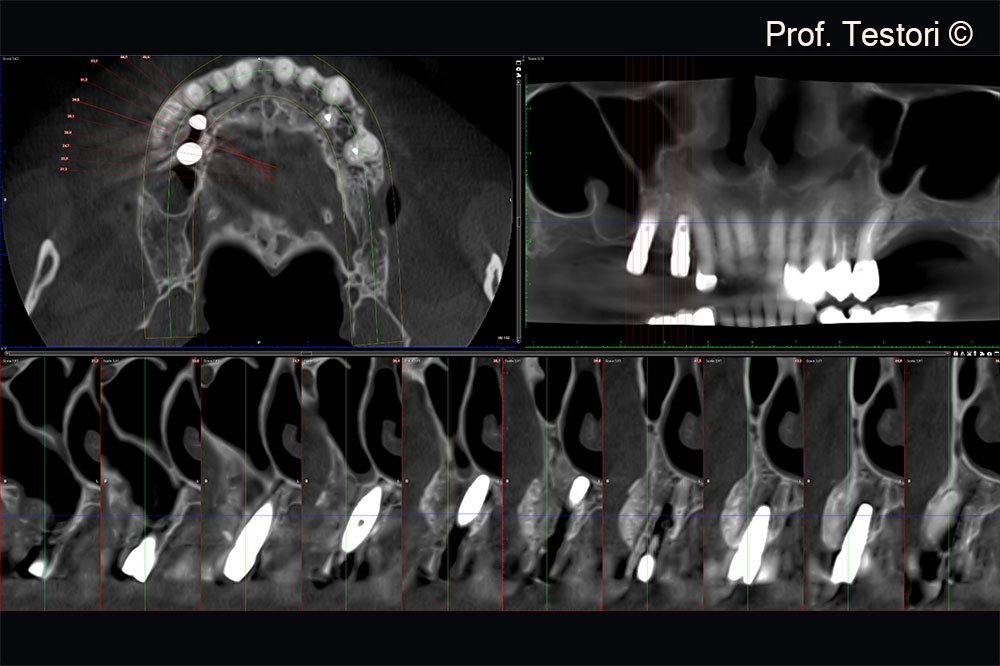
Cone-beam computerized tomography examination after second stage surgery.
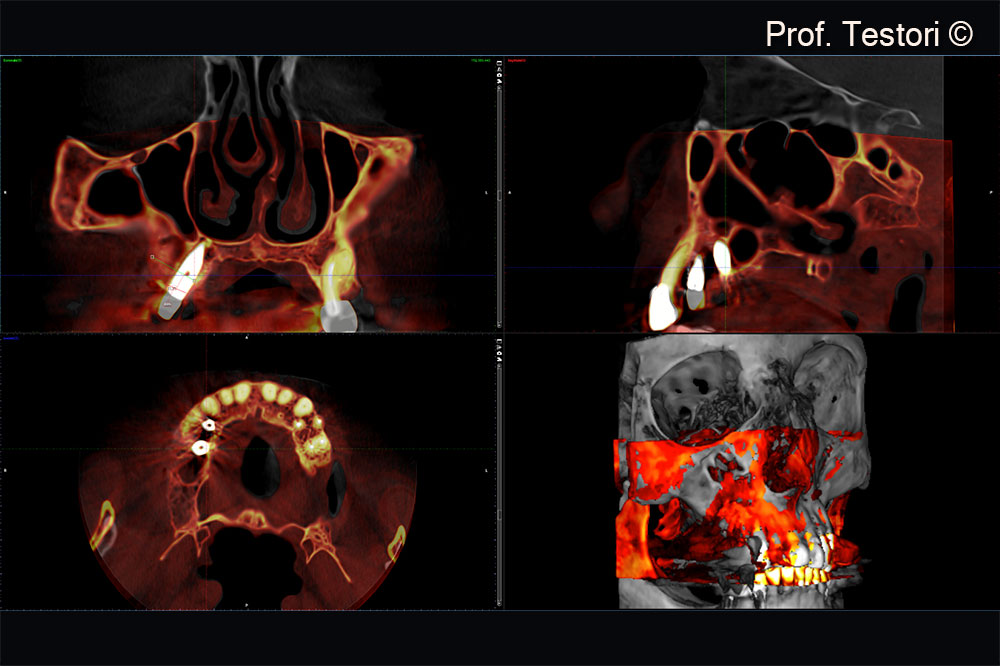
Three-dimensional superimposition of the CBCT after the first (gray) and second (red) stage surgery using Romexis.
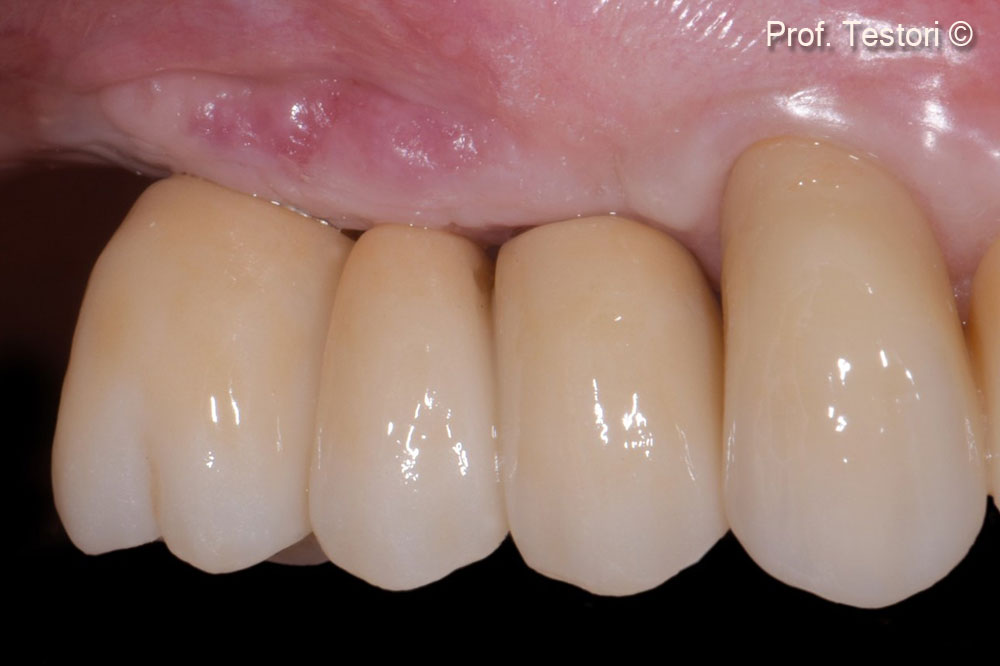
Definitive prosthesis delivery on buccal view.
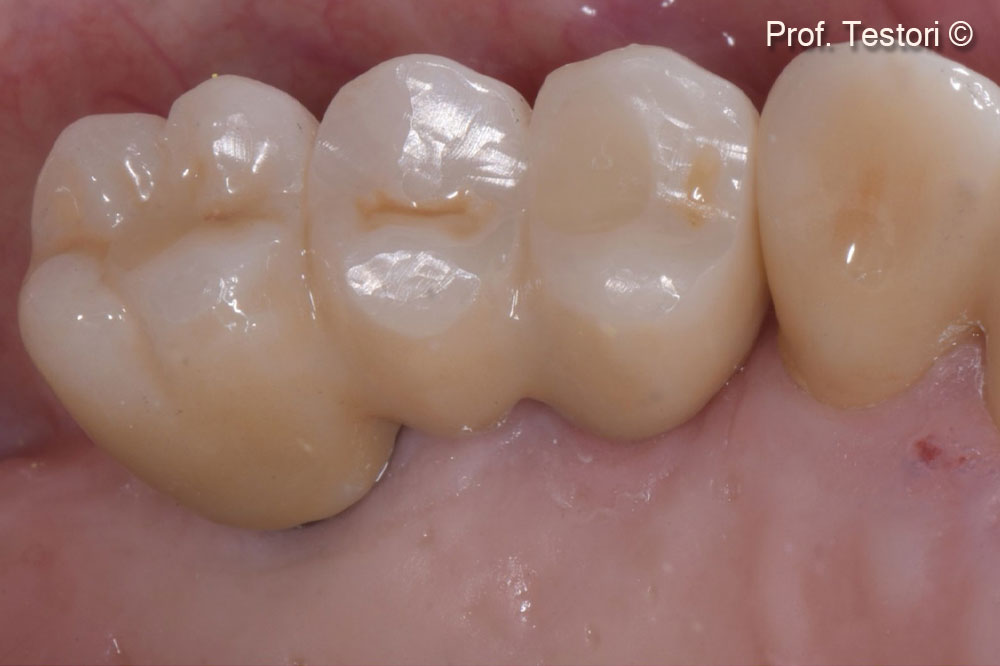
Definitive prosthesis delivery on palatal view.
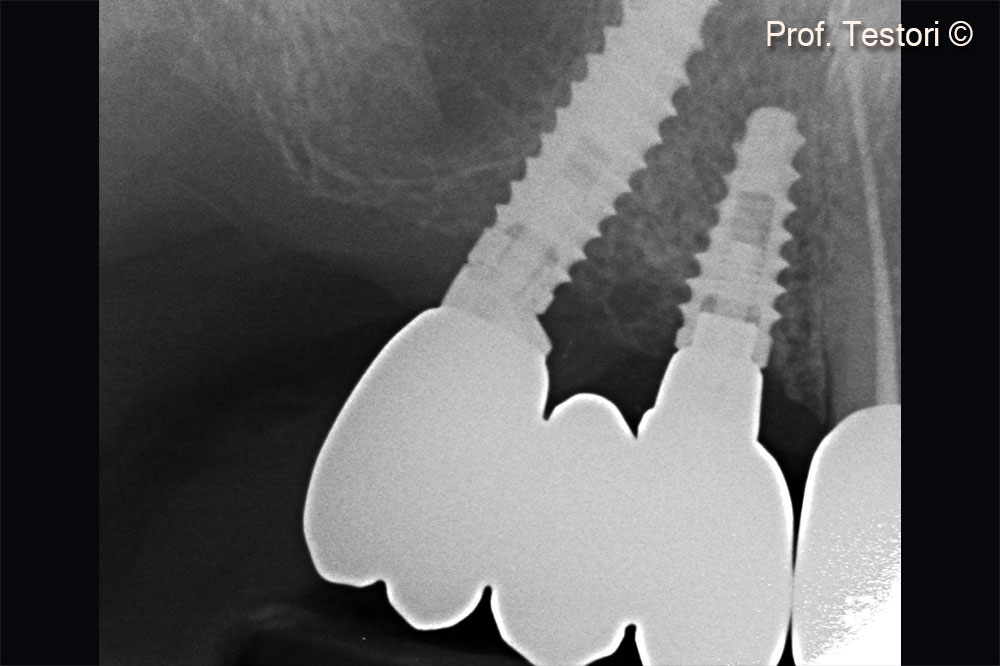
Peri-apical x-ray at definitive crown delivery after 4 months.
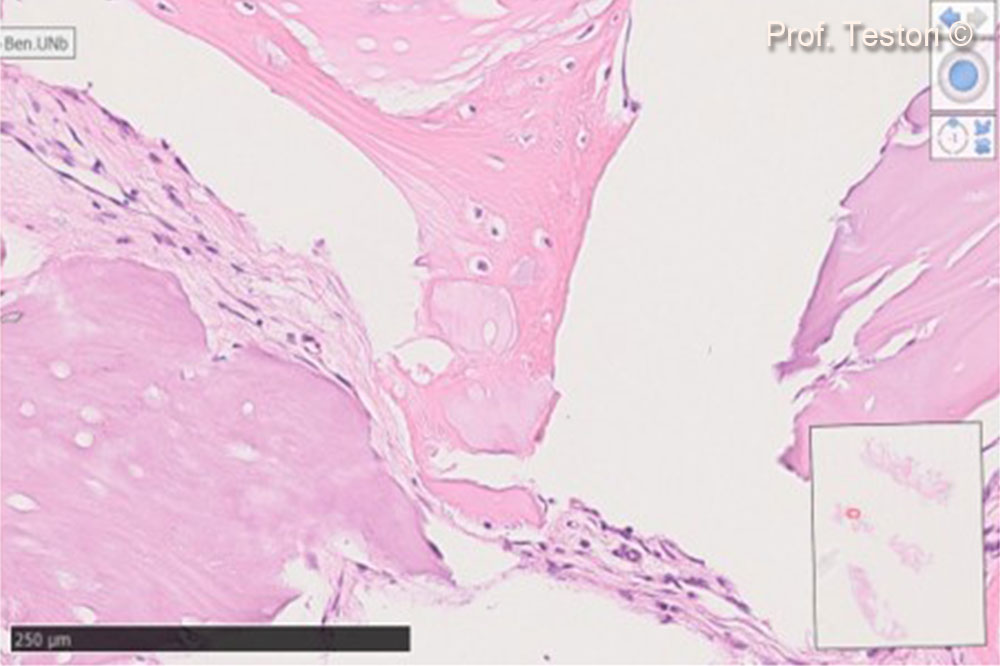
This image is showing particlesof the Gen-Os® totally surrounded by newly formed bone. Biomaterial is acellular but has the same physiological properties as bone; hence, new bone is forming around the particles.